What Are Dental Implants and What Do They Cost?
A single dental implant typically costs between $3,000 and $6,000, including the post, abutment, and crown. Dental implants are titanium posts surgically placed into the jawbone to replace missing tooth roots, providing a permanent foundation for replacement teeth.
This investment reflects the quality of materials, the surgical precision required, and the long-term durability that makes implants the standard for tooth replacement. Cost ranges reflect industry averages and may vary based on case complexity.
At Center for Dental Implants, you deserve clarity about what you’re paying for and why. Understanding the full scope of dental implant costs helps you make an informed decision about restoring your smile. Patients researching dental implant cost in Hallandale Beach often find pricing varies based on the specific factors outlined below.
How the Dental Implant Process Works in Hallandale Beach
The dental implant process unfolds in carefully planned stages, each designed to support long term success through conservative planning.
Step 1: Private Consultation and Planning
Your care begins with a thorough evaluation, including 3D imaging to assess bone density and map the precise placement of your implant. This diagnostic phase ensures your thoughtfully planned care addresses your unique anatomy.
Step 2: Tooth Extraction and Site Preparation
If a damaged tooth remains, it’s removed. Some patients need bone grafting at this stage to build adequate foundation for the implant. Not everyone requires grafting, and your implant specialist will determine this during planning.
Step 3: Implant Placement
The titanium post is surgically positioned into your jawbone. This procedure typically takes one to two hours per implant under local anesthesia or sedation, depending on your comfort preferences.
Step 4: Healing and Integration
Over the next three to six months, the implant fuses with your jawbone through a process called osseointegration. This creates the stable anchor that makes implants so reliable. Healing timelines vary by patient.
Step 5: Final Restoration
Once healing is complete, an abutment connects to the implant, and your custom crown is placed. The result looks, feels, and functions like a natural tooth.
Benefits of Investing in Dental Implants
Patients choose implants despite the higher upfront cost for several reasons. The benefits extend well beyond aesthetics.
How Long Do Dental Implants Last?
With proper care, implants can serve you for decades. Many patients keep them for life. The crown portion may eventually require replacement due to normal wear, but the titanium post itself often remains stable for the long term.
Do Implants Protect Jawbone Health?
Yes. Unlike dentures or bridges, implants stimulate the bone through normal chewing forces, preventing the deterioration that causes facial collapse over time. This bone-preserving function is one of the most clinically significant advantages of implants over other tooth replacement options.
- Functional restoration: Eat, speak, and smile without worry. Implants don’t slip or click.
- Preservation of adjacent dentition: Bridges require grinding down healthy neighboring teeth. Implants stand independently and protect surrounding tooth structure.
- Lifetime economics: While the initial investment is higher, you avoid the repeated replacement costs of other options.
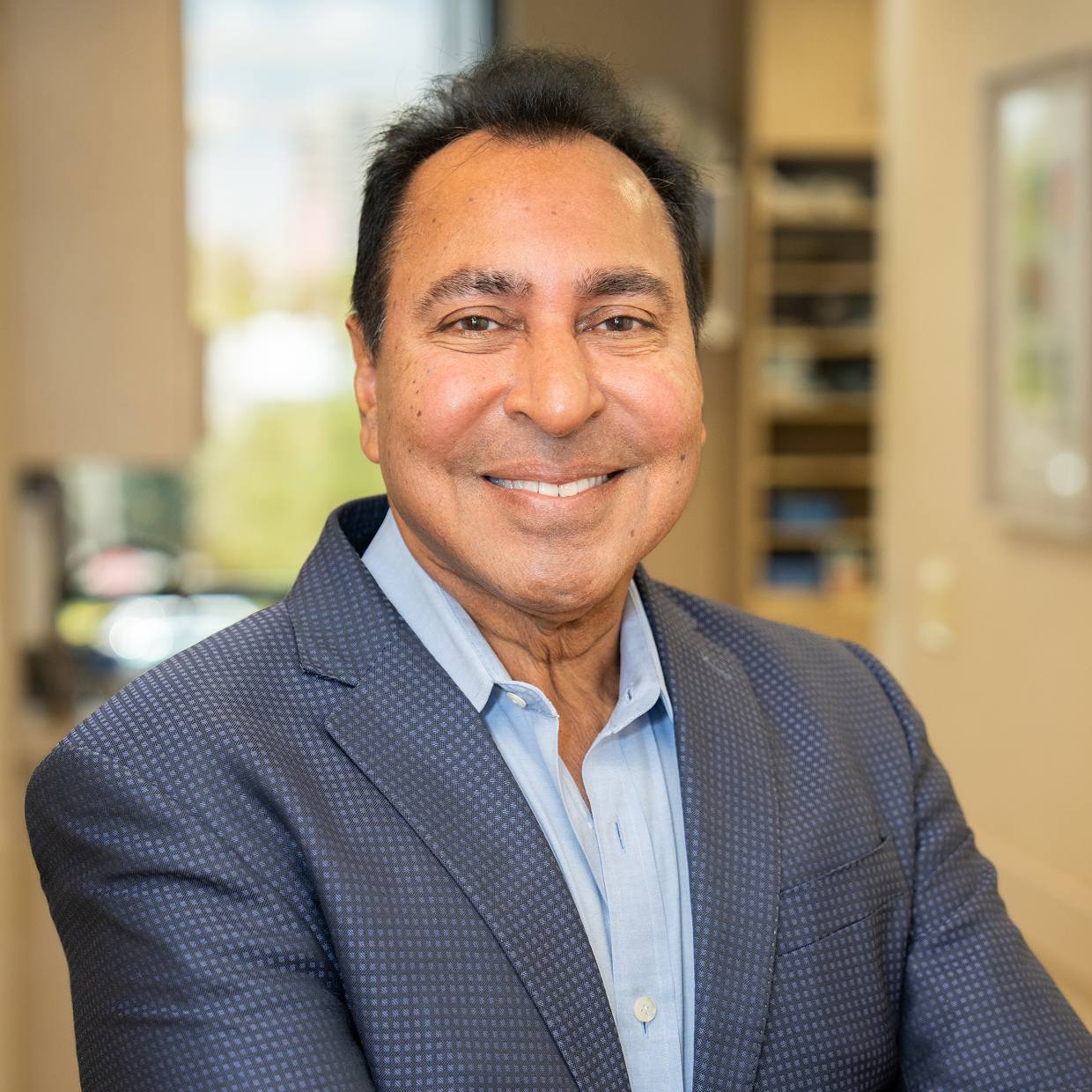
Dr. Arun K. Garg, DMD, a former university of miami professor who has trained over 20,000 dentists worldwide, brings decades of implant clinical authority to every case. This depth of experience directly improves your outcomes and reduces the likelihood of complications.
Dental Implants vs. Bridges vs. Dentures: Cost Comparison
Bridges cost less upfront, but dental implants often offer the lowest long-term cost when factoring in replacements. Understanding the true cost of tooth replacement means looking beyond the initial price tag.
| Treatment Option | Initial Cost | Typical Lifespan | 20-Year Cost Estimate |
|---|---|---|---|
| Single Dental Implant | $3,000-$6,000 | Often 25+ years | $3,000-$6,000 |
| Traditional Bridge | $2,000-$5,000 | Typically 10-15 years | $4,000-$10,000 |
| Partial Denture | $1,500-$3,000 | Typically 5-8 years | $4,500-$12,000 |
| Full Arch Implants | $25,000-$50,000 | Often 25+ years | $25,000-$50,000 |
The math tells an important story. A bridge costs less initially but requires replacement, plus it demands grinding down healthy adjacent teeth. Dentures need frequent adjustments, relining, and eventual replacement. Implants, while more substantial upfront, often prove more economical over your lifetime.
Factors That Affect Dental Implant Costs
Five primary factors influence your final cost: the number of implants needed, bone grafting requirements, implant and crown materials, sedation choices, and the advanced imaging or technology used during planning. Understanding each helps you anticipate your investment.
Number of Implants
A single missing tooth requires one implant. Multiple missing teeth might need individual implants or an implant-supported bridge. Full arch restoration uses four to six implants to support an entire row of teeth.
Bone Grafting Requirements
If your jawbone has deteriorated from tooth loss or periodontal disease, bone grafting rebuilds the foundation. This adds $500 to $3,000 depending on the extent. Sinus lifts for upper jaw implants range from $1,500 to $5,000.
Implant and Crown Materials
Titanium implants remain the standard, though zirconia options exist for patients with metal sensitivities. Crown materials include porcelain, zirconia, or porcelain-fused-to-metal, each with different aesthetics and price points.
Sedation Options
- Local anesthesia: included in procedure cost
- Oral sedation: adds $250-$500
- IV sedation: adds $500-$1,500
Advanced Imaging
3D CBCT scans provide the detailed views needed for precise planning. This technology adds to the cost but significantly improves placement accuracy and outcomes.
Provider Expertise
An implant specialist with advanced training and years of experience typically charges more than a general dentist placing occasional implants. Greater clinical authority translates to more predictable outcomes and fewer complications over the life of your implant.
Are You a Candidate for Dental Implants?
Most adults with missing teeth can receive implants, though certain factors affect candidacy. The team at Center for Dental Implants reviews these factors during your private consultation in Hallandale Beach.
Ideal candidates have:
- Sufficient jawbone density on CBCT imaging, or willingness to undergo grafting
- Healthy gum tissue without active periodontal infection
- Stable management of chronic conditions such as diabetes or hypertension
- Consistent daily oral hygiene and routine professional cleanings
- A clear understanding of the multi-stage timeline and healing requirements
Factors that require additional consideration:
- Heavy smoking, which significantly impairs vascular healing
- Uncontrolled diabetes with elevated HbA1c levels
- Certain medications affecting bone metabolism, such as bisphosphonates
- History of radiation therapy to the head or neck
If you’ve been told you’re not a candidate elsewhere, a second opinion may be worthwhile. Advances in bone grafting and implant technology have expanded options considerably. Dr. Arun K. Garg, DMD evaluates each patient individually, often finding solutions for complex cases that other providers decline.
Frequently Asked Questions About Implant Costs
Does dental insurance cover dental implants?
Coverage varies widely by plan. Many dental insurance policies now cover a portion of implant care, particularly the crown restoration. Medical insurance may cover implants when tooth loss results from accident or disease. Check with your provider, and our team can help verify your benefits during your private consultation.
How can I finance dental implants?
Several options make implant care accessible without compromise. CareCredit and other healthcare financing programs offer extended payment plans, often with promotional interest-free periods. HSA and FSA accounts can be used for implant care. Our practice also offers a Yearly Dental Membership Plan at $365 per year that provides savings on care.
Are low-cost dental implants safe?
Extremely low prices often signal compromises in materials, sterilization protocols, or provider experience. Substandard implants have higher failure rates, and correcting failed implants costs more than initial proper placement. According to the American Academy of Implant Dentistry, choosing a qualified implant specialist with quality materials protects your investment and your health.
How long do dental implants last?
With proper care and regular dental visits, implants can last decades. Many patients keep their implants for life. The crown portion may need replacement after years of normal wear, but the implant post itself remains stable when properly integrated.
Can I get same-day implants?
Immediate load implants, sometimes called “teeth in a day,” are available for qualified patients. This approach places temporary teeth on the implants the same day as surgery. Not everyone is a candidate, as adequate bone density and proper bite alignment are required. Your implant specialist will determine if this option suits your situation in Hallandale Beach.
Is the cost of dental implants tax-deductible?
Dental implant care may qualify as a deductible medical expense if your total medical costs exceed the IRS threshold. Consult with your tax advisor about your specific situation, and keep all receipts and documentation from your care.