
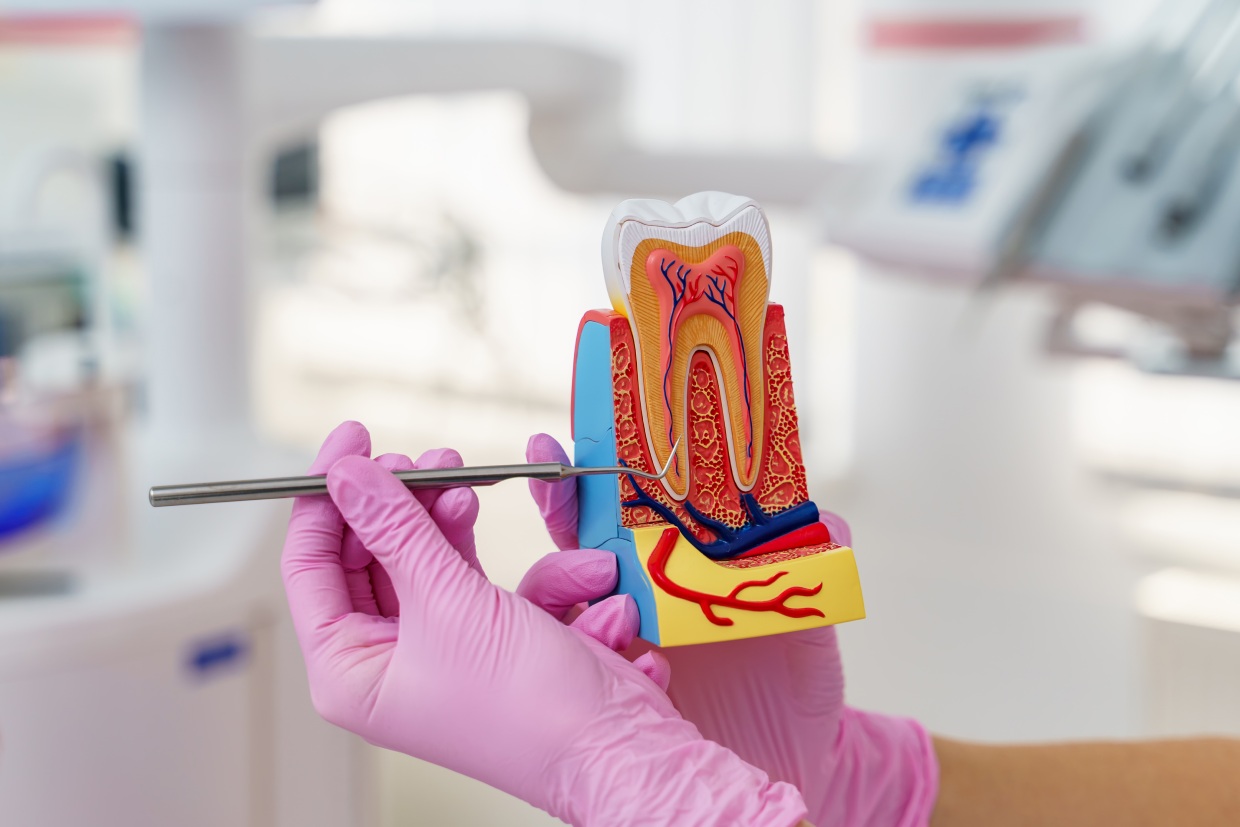
Gum Disease Treatment
Protecting Your Gums and Long-Term Oral Health
Gum disease, also known as periodontal disease, is a common condition that can develop quietly over time. It begins with inflammation of the gums (gingivitis) and, if left untreated, can progress to more advanced stages that affect the bone supporting your teeth.
At Center For Dental Implants, gum disease treatment focuses on early detection, effective management, and long-term stability. Our goal is to stop the progression of the disease while preserving your natural teeth and supporting overall oral health.
Common signs of gum disease may include:
- Red, swollen, or tender gums
- Bleeding during brushing or flossing
- Persistent bad breath
- Gum recession or teeth appearing longer
- Loose or shifting teeth
Treatment depends on the severity of the condition. In the early stages, a thorough professional cleaning and improved home care may be enough to restore gum health. For more advanced cases, targeted periodontal therapy is used to remove infection and help the gums heal.
By addressing gum disease early and consistently, we can help protect not only your smile but also your overall health, as gum disease has been linked to systemic conditions such as heart disease and diabetes.
Periodontal care is available at all three of our offices. You can schedule periodontal treatment in Aventura, Hallandale Beach or Pembroke Pines, and patients closer to the beach can learn more about gum disease treatment in Hallandale Beach.
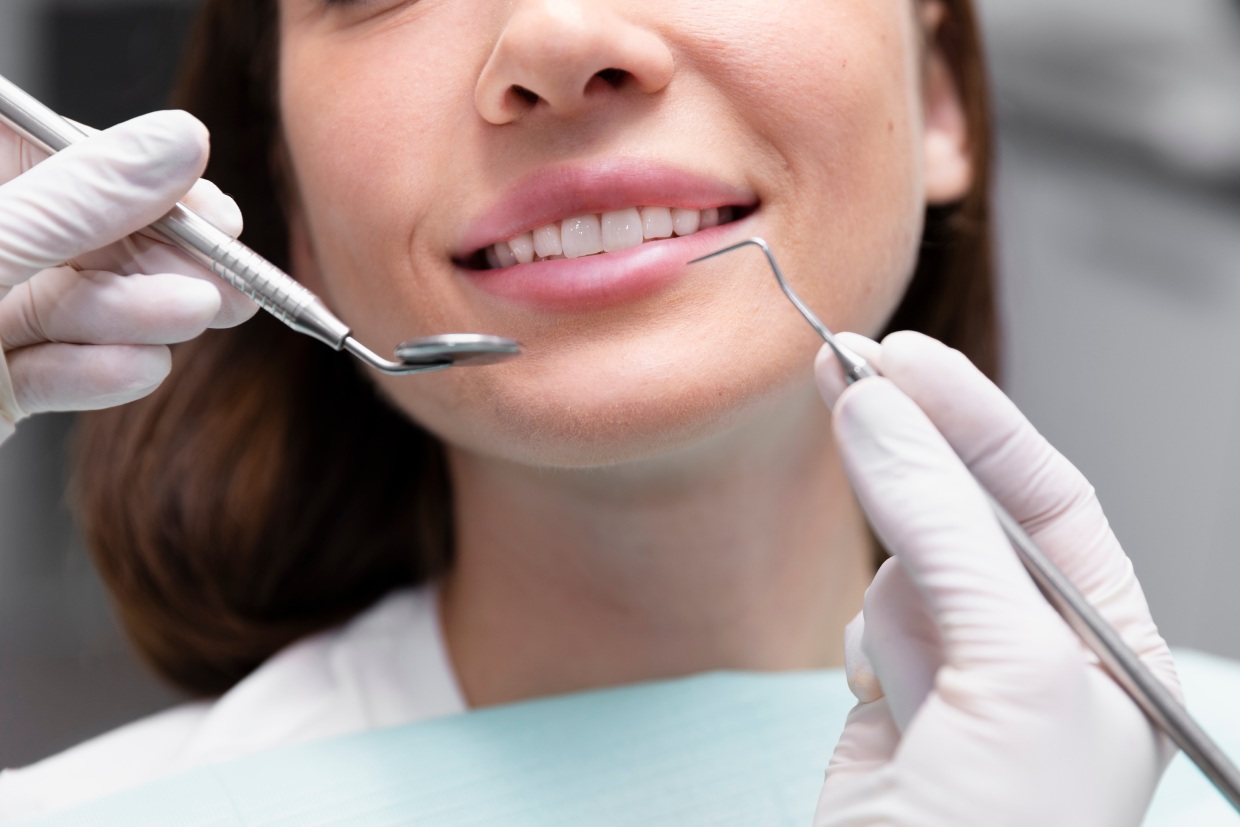
Deep Cleanings
Targeted Treatment for Gum Disease
A deep cleaning, also known as scaling and root planing, is a specialized treatment used to manage gum disease and restore the health of the gums.
Unlike a routine cleaning, which focuses on the visible surfaces of the teeth, a deep cleaning reaches below the gumline to remove plaque, tartar, and bacteria that have accumulated around the roots of the teeth.
This process involves two key steps:
- Scaling: Removing buildup from above and below the gumline
- Root planing: Smoothing the root surfaces to help the gums reattach and heal properly
Deep cleanings are typically recommended when there are signs of periodontal disease, such as deeper gum pockets or bone loss. The treatment helps reduce inflammation, eliminate infection, and prevent further progression of the disease.
To ensure comfort, the area may be numbed during treatment, and the procedure may be completed over one or more visits, depending on your needs.
Following a deep cleaning, ongoing maintenance and regular periodontal evaluations are important to keep your gums healthy and stable. With the right care, this treatment can play a key role in preserving your natural teeth and avoiding more advanced procedures.
We provide scaling and root planing in Aventura, Hallandale Beach and Pembroke Pines.