What Is a Specialty Implant Practice?
Tooth loss raises real questions about function, appearance, and what comes next. The practice you choose at that moment can shape your outcome for decades. A specialty implant practice focuses exclusively on dental implant placement and restoration, bringing concentrated clinical authority that a general dentist simply can’t match. These practices handle complex cases daily, from straightforward single-tooth replacements to full-arch reconstructions requiring bone grafting and precise surgical planning.
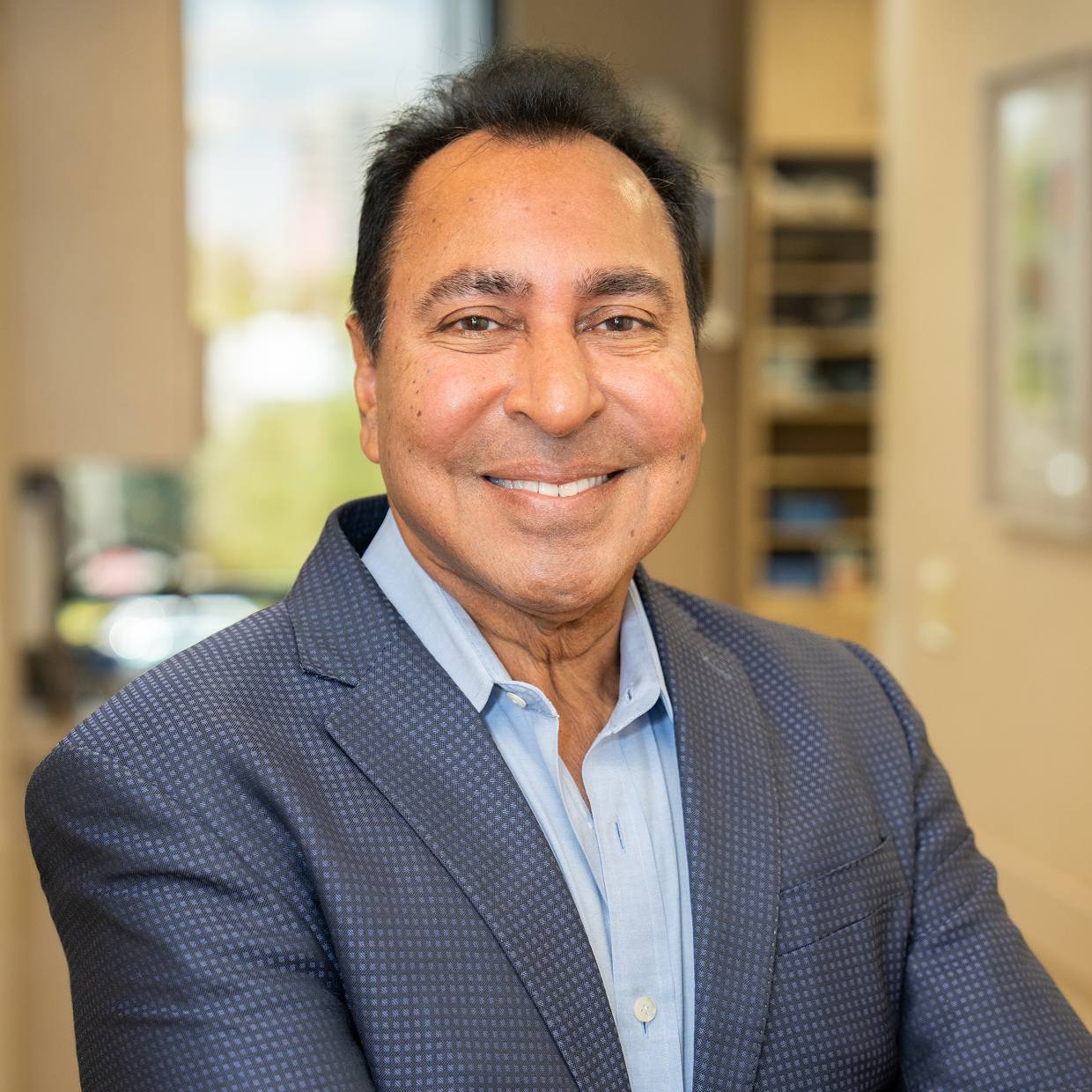
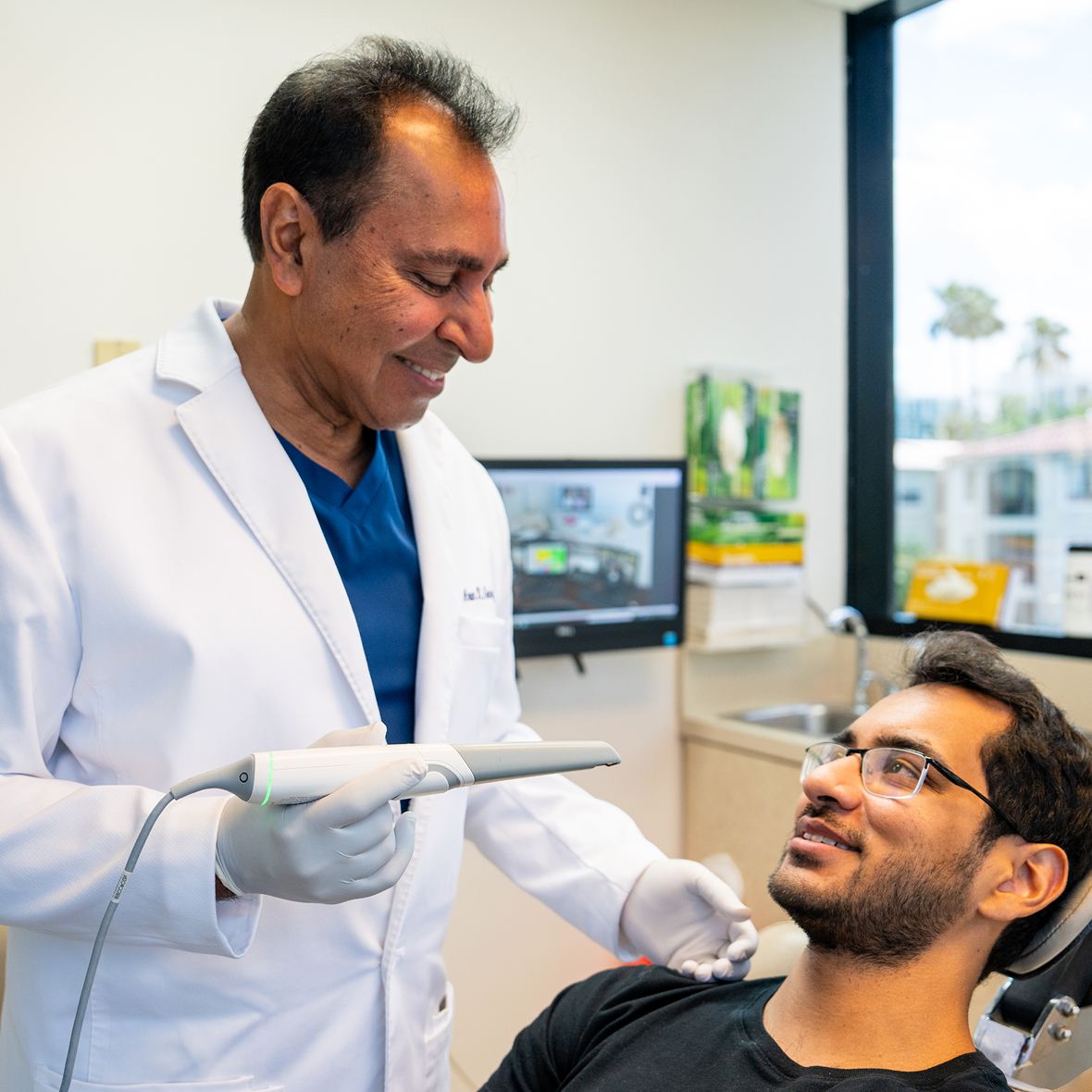
At Center for Dental Implants in South Florida, this focused approach means your care is guided by Dr. Arun K. Garg, a former University of Miami professor who has trained over 20,000 dentists worldwide in implant techniques. That depth of experience at a specialty implant practice translates directly into predictable outcomes and long term success for patients.
How a Specialty Implant Practice Operates
A specialty implant practice operates by combining 3D imaging, digital planning, surgical placement, and final restoration under one roof. Cone beam computed tomography (CBCT) maps bone density, nerve pathways, and sinus anatomy. That data drives a unified care plan, so surgical and restorative steps are coordinated from day one rather than handed off between providers.
What sets these practices apart is the coordination between surgical placement and final restoration. Rather than placing an implant and hoping the restorative work aligns later, planning happens at the same time. Your crown, bridge, or full-arch prosthetic is designed alongside your surgical protocol, ensuring the implant position supports both function and aesthetics.
When bone loss complicates care, in-house solutions matter. Bone grafting, sinus lifts, and platelet-rich plasma (PRP) therapy can be performed without referring you elsewhere, keeping care coordinated and timelines on track.
Advanced protocols like same-day implants and full-arch immediate loading become possible when surgical clinical authority and restorative capability exist in one place. Long-term follow-up keeps your implants stable and healthy for years.
Key Benefits of Choosing a Specialty Implant Practice
Focused expertise produces measurably better outcomes. Practices that place implants daily develop pattern recognition that helps them anticipate complications before they occur. When your implant team has managed thousands of similar cases, the challenges that might catch a less experienced provider off guard become familiar territory. Dr. Garg’s role as a former University of Miami professor and author of multiple dental textbooks reflects the kind of depth that shapes this daily clinical work at Center for Dental Implants.
How Does Focused Expertise Improve Outcomes?
Daily case volume sharpens judgment. Precise nerve mapping and guided surgical protocols reduce complication risk. Restorative planning that begins before surgery, not after, leads to better aesthetic outcomes. You also get access to advanced techniques like zygomatic implants for severe bone loss, All-on-4 protocols, and immediate loading options.
What Makes the Patient Experience Different?
Fewer appointments, for one. Surgical and restorative care happen in a single location, which cuts down on travel and time off work. Follow-up stays consistent because the same team that placed your implants tracks your recovery and long-term health. No shuffling records between practices, no repeating your story.
The long-term value extends well beyond the initial procedure. Implants placed with precision and restored with care tend to last longer, function better, and need fewer revisions over time. That’s real savings and genuine peace of mind.
What’s the Difference Between a Specialty Implant Practice and a General Dentist?
Understanding the differences helps you make an informed choice about your care.
| Factor | Specialty Implant Practice | General Dentist |
|---|---|---|
| Training | Hundreds of hours in implant-specific continuing education; often fellowship-trained | Basic implant curriculum during dental school |
| Annual Case Volume | Hundreds to thousands of implants placed yearly | Occasional placements, often fewer than 20 per year |
| Technology | Dedicated CBCT imaging, guided surgery systems, in-house CAD/CAM | May have limited imaging; often refers for complex planning |
| Complex Cases | Handles severe bone loss, failed implants, full-arch reconstruction | Typically limited to straightforward single-tooth cases |
| Care Continuity | Surgical placement and restoration in one practice | Often requires referral to oral surgeon, then back for restoration |
A general dentist provides excellent care for many dental needs. But implant placement involves surgical precision that benefits from dedicated focus. When your case involves bone grafting, multiple implants, or prior complications, specialty-level care becomes particularly valuable. Practices led by clinicians like Dr. Garg, with decades of teaching and surgical experience, bring that focus by design.
Cost Factors at a Specialty Implant Practice
Cost at a specialty implant practice depends on a handful of factors: how many implants you need, whether bone grafting or sinus augmentation is required, the type of final restoration, sedation choices, and the imaging and guided-surgery technology involved. Each element adds to the picture, and they’re best understood together rather than in isolation.
Single-tooth replacement costs less than full-arch reconstruction. If bone loss requires grafting or sinus augmentation, those procedures add to the total. Your final restoration also affects pricing. A single crown differs significantly from an implant-supported bridge or a complete full-arch prosthetic. Materials, fabrication complexity, and the precision required all factor in.
Advanced imaging and guided surgery, while adding upfront cost, often reduce overall expense by preventing complications and revisions. Sedation options provide spa-inspired comfort but represent an additional investment.
The long-term perspective matters most. Implants placed with clinical precision and aesthetic judgment tend to last longer and need fewer interventions over time. Paying more initially for expert care often costs less than managing complications from a less experienced provider. It’s the kind of math that becomes obvious five or ten years in.
For patients seeking accessible expertise without compromise, Center for Dental Implants offers a yearly dental membership plan at $365/year, helping make quality implant care more attainable.
Who Is a Good Candidate for Specialty Implant Care?
Good candidates for specialty implant care include patients missing one or more teeth, those with bone loss requiring grafting, anyone considering full-arch reconstruction, patients with previous implant failure, and those with medical complexities that demand careful coordination. In short, most adults exploring permanent tooth replacement benefit from this level of care.
A specialty practice like Center for Dental Implants serves patients across a wide range of clinical situations. You may benefit from this level of care if you:
- Are missing one or more teeth and want a permanent, stable replacement
- Have experienced bone loss that requires grafting or sinus augmentation before implant placement
- Need full-arch reconstruction and are considering All-on-4 or implant-supported dentures
- Have had previous implant failure and need revision surgery
- Have medical complexities such as diabetes, osteoporosis, or a history of radiation therapy that require careful coordination
Even if your case seems straightforward, the diagnostic precision and care planning available at a specialty practice can reveal factors that might otherwise go unnoticed. Conservative planning today prevents problems tomorrow.
Frequently Asked Questions
Do I need a specialist or can my general dentist place implants?
A general dentist can legally place implants, but training and experience vary widely. For straightforward single-tooth cases with adequate bone, a skilled general dentist may provide good outcomes. For complex situations involving bone loss, multiple implants, or aesthetic concerns in visible areas, specialty-level care offers meaningful advantages in predictability and outcomes.
How do I verify an implant practice’s expertise and credentials?
Ask about the provider’s implant-specific training beyond dental school, annual case volume, and experience with cases similar to yours. Look for fellowship training, teaching positions at dental schools, and involvement in implant education. Dr. Arun K. Garg’s background as a former University of Miami professor and author of multiple dental textbooks reflects the kind of credentials that indicate genuine clinical authority.
Are specialty implant practices more expensive than a general dentist?
Initial fees may be higher, reflecting advanced technology, specialized training, and detailed planning. The total cost of care often balances out, though, when you factor in reduced complication rates, fewer revision procedures, and longer implant lifespan. Quality implant care is an investment in decades of function.
If I have severe bone loss, can a specialty practice still help?
Yes. Specialty practices routinely manage severe bone loss using grafting techniques, sinus lifts, and alternative implant designs like zygomatic implants. Cases that a general practice might consider untreatable often have solutions when evaluated by an experienced implant team.
How long do implants placed by a specialist typically last?
With proper placement and maintenance, dental implants commonly last 20 years or more, and a well-cared-for implant can remain functional for the patient’s lifetime. Longevity depends on factors including bone quality, oral hygiene, overall health, and the precision of the original placement and restoration. Regular check-ups catch small issues before they become big ones.
Is the recovery different at a specialty practice?
Recovery timelines are similar regardless of where you receive care. Specialty practices often use techniques that minimize trauma, reduce swelling, and shorten healing time. Precise surgical planning means less time in the chair and potentially smoother recovery.
At Center for Dental Implants, Dr. Arun Garg and our team provide advanced dental implant care for patients throughout South Florida, including Aventura, Hallandale Beach, and Pembroke Pines.