

Cleanings & Exams
Routine cleanings and exams are the foundation of maintaining a healthy, confident smile. Even with consistent brushing and flossing at home, professional care is essential to remove buildup, monitor changes, and prevent small issues from becoming more complex.
Over time, plaque can accumulate in hard-to-reach areas and harden into tartar—a substance that cannot be removed with regular brushing alone. Professional cleanings safely eliminate this buildup, helping protect your teeth and gums from decay and disease.
Dental exams work alongside cleanings to give us a complete view of your oral health, allowing us to detect concerns early and recommend the most conservative, effective treatment when needed.
Why Routine Visits Matter
Preventive care is one of the most important investments you can make in your oral health.
Regular cleanings and exams help:
- Prevent cavities and gum disease
- Remove plaque and tartar buildup
- Identify issues early, when treatment is simpler
- Reduce the risk of more complex dental problems
- Support overall oral and systemic health
Even patients with excellent home care benefit from routine visits. These appointments allow us to monitor your oral health over time and make proactive recommendations tailored to your needs.
What to Expect at Your Appointment
Your visit is designed to be thorough, comfortable, and informative.
It typically begins with a professional cleaning performed by a licensed dental hygienist. Using specialized instruments, they will carefully remove plaque and tartar from all surfaces of your teeth, including areas that are difficult to reach at home. Your teeth are then polished and flossed, leaving your smile feeling clean and refreshed.
During your visit, we also:
- Assess your gums for signs of inflammation or gum disease
- Take digital X-rays as needed for a more complete evaluation
- Perform an oral cancer screening
- Review your medical and dental history
After your cleaning, one of our doctors will complete a comprehensive exam, checking for cavities, existing restorations, bite concerns, and any early signs of dental issues.
How Often Should You Schedule a Cleaning?
For most patients, we recommend scheduling a cleaning and exam every six months to maintain optimal oral health.
Some patients may benefit from more frequent visits depending on their individual needs, such as a history of gum disease or ongoing dental concerns.
If it’s been a while since your last visit, you’re not alone—and there’s no judgment here. Our goal is to help you move forward with care that is supportive, comfortable, and focused on long-term health.
A Comfortable, Patient-Focused Experience
At Center For Dental Implants, we take a personalized approach to preventive care.
Our hygiene team is dedicated to making each visit as comfortable and informative as possible. We take the time to explain what we’re seeing, answer your questions, and provide guidance on how to maintain your oral health between visits.
By combining professional cleanings with comprehensive exams, we help you stay ahead of potential issues—so your smile stays healthy, strong, and confident for years to come.
Preventive visits are available at every office, whether you are looking for general dentistry in Aventura, Hallandale Beach or Pembroke Pines.
Fillings
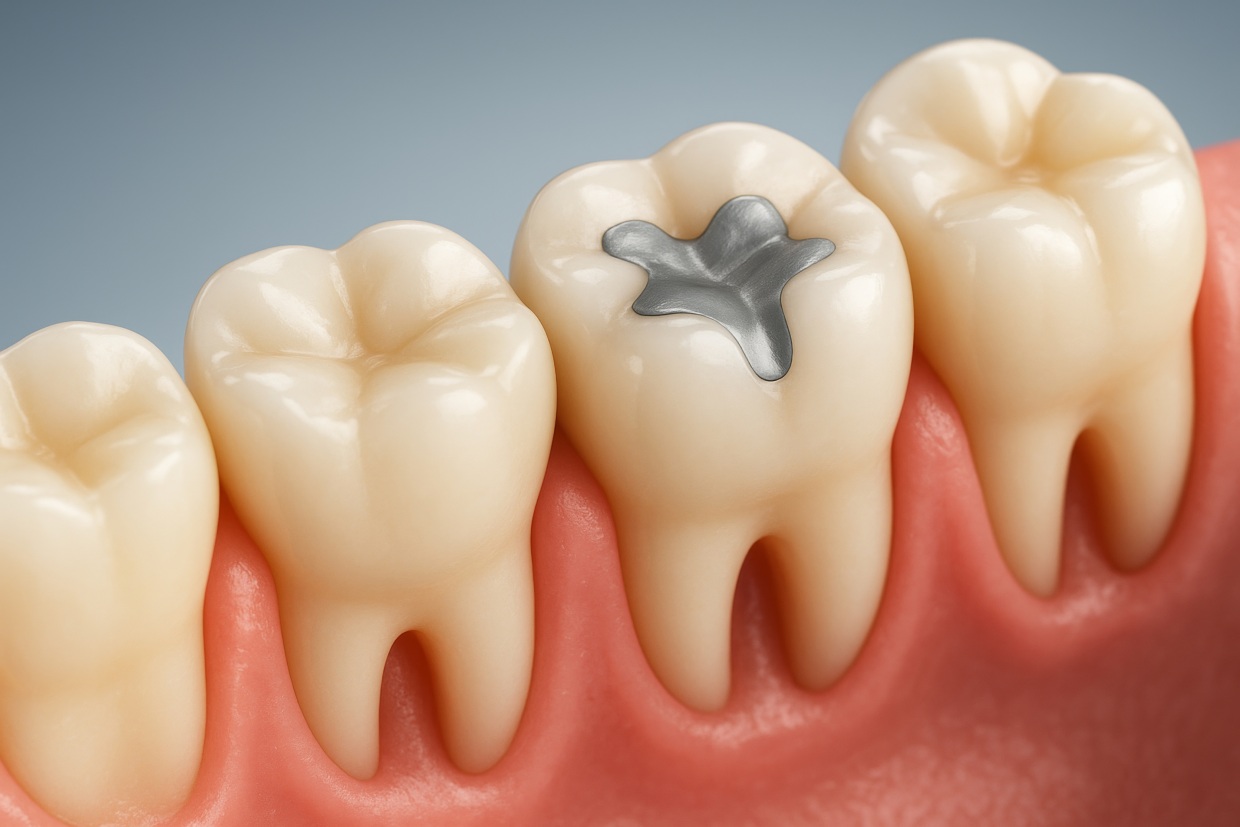
Dental fillings are one of the most common and effective ways to treat tooth decay and restore the health of a damaged tooth.
A cavity forms when decay begins to break down the structure of a tooth. If left untreated, this decay can continue to spread deeper into the tooth, eventually reaching the inner pulp and leading to more complex issues. A filling removes the damaged portion of the tooth and replaces it with a strong, protective material—helping stop the progression of decay.
At Center For Dental Implants, we use tooth-colored composite fillings that blend naturally with your smile while restoring strength and function.
Why a Filling May Be Needed
Cavities don’t always cause noticeable symptoms right away, which is why routine exams are so important. Many patients only discover decay during a professional evaluation.
A dental filling may be recommended to:
- Treat areas of tooth decay (cavities)
- Prevent decay from progressing deeper into the tooth
- Restore strength to a weakened tooth
- Avoid the need for more extensive treatment, such as a root canal
Addressing cavities early allows for more conservative treatment and helps preserve more of your natural tooth structure. Fillings are one part of our broader restorative dentistry in Aventura, Hallandale Beach and Pembroke Pines, which also includes crowns, bridges and implant restorations.
Early Detection Through Exams
Because cavities are not always visible or painful in their early stages, they are often identified during routine cleanings and exams.
We use a combination of visual evaluation, specialized instruments, and digital X-rays to detect areas of concern, including:
- Dark spots or weakened areas in enamel
- Early signs of decay between teeth
- Changes beneath the surface that are not visible to the eye
If a cavity is detected, timely treatment with a filling helps prevent further damage and keeps your care simple and effective.
What to Expect During the Filling Process
The filling procedure is straightforward and designed to be comfortable.
First, the area is gently numbed to ensure you feel at ease. The decayed portion of the tooth is then carefully removed, leaving behind a clean and healthy structure.
Next, the tooth is prepared and filled with a composite resin material. This material is shaped to match your natural tooth and then hardened using a specialized curing light. Once set, the filling is adjusted and polished to ensure a smooth, comfortable fit.
In many cases, fillings can be completed in a single visit, allowing you to return to your normal routine quickly.
A Simple Step That Protects Long-Term Health
Dental fillings are a conservative, effective way to protect your teeth and maintain your oral health.
By treating decay early, we can help you avoid more complex procedures and preserve the strength and integrity of your natural teeth. Our focus is always on providing care that is precise, comfortable, and designed for long-term success.
Root Canal Therapy
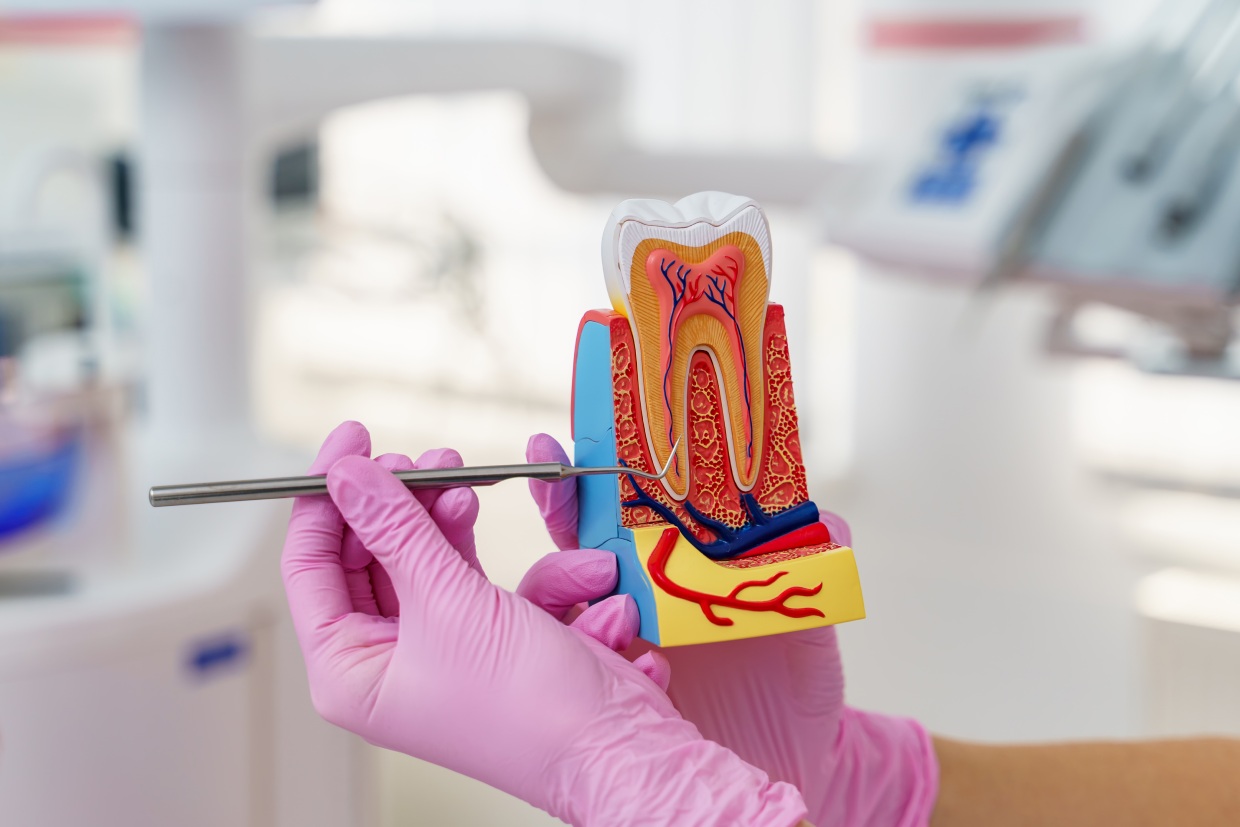
Persistent tooth pain, sensitivity, or swelling can be signs of a deeper issue within the tooth. When the inner pulp becomes infected or inflamed, root canal therapy is often the most effective way to relieve discomfort and preserve your natural tooth.
At Center For Dental Implants, root canal treatment is performed with a focus on comfort, precision, and long-term success. With modern techniques and anesthesia, the procedure is often no more uncomfortable than receiving a filling—and it can provide significant relief from pain.
Why a Root Canal May Be Needed
The inner portion of your tooth, known as the pulp, contains nerves and blood vessels. When this area becomes infected due to decay, trauma, or repeated dental work, it can lead to discomfort and, if left untreated, more serious complications.
A root canal may be recommended if you experience:
- Persistent or severe tooth pain
- Sensitivity to hot or cold that lingers
- Swelling or tenderness in the gums
- A cracked or injured tooth
- Recurring infections or abscesses
Treating the infection early helps prevent it from spreading and allows us to preserve your natural tooth whenever possible.
What Root Canal Therapy Involves
Root canal therapy is designed to remove infection, eliminate discomfort, and restore the health of the tooth.
The process begins with a thorough evaluation, often including digital X-rays, to assess the extent of the infection. Once the area is fully numbed, a small opening is created in the tooth to access the infected pulp.
The infected tissue is carefully removed, and the inner canals are cleaned, shaped, and disinfected. The space is then filled with a biocompatible material to seal the tooth and prevent reinfection.
In most cases, the tooth is restored with a custom crown to protect it and restore full strength and function.
The Benefits of Saving Your Natural Tooth
Whenever possible, preserving your natural tooth is the best outcome for your long-term oral health.
Root canal therapy allows you to:
- Eliminate pain and infection
- Avoid tooth extraction
- Maintain natural bite alignment
- Restore normal function for chewing and speaking
- Protect surrounding teeth from additional stress
With proper care, a tooth that has undergone root canal therapy can last for many years.
Comfortable, Patient-Focused Care
We understand that root canals often come with anxiety or uncertainty. Our approach is centered on making the experience as comfortable and stress-free as possible.
From diagnosis to final restoration, we take the time to explain each step, answer your questions, and ensure you feel confident in your care. Our goal is not just to treat the problem, but to help you feel at ease throughout the process.
Root canal therapy is available at each of our locations, including root canal therapy in Aventura, Hallandale Beach and Pembroke Pines.
Root canal therapy is a reliable, effective way to restore your oral health while keeping your natural smile intact.