For some patients, scheduling a dental appointment is simple and routine. For others, it can bring feelings of nervousness, fear, or even avoidance. If dental anxiety has kept you from seeking care, you may have heard about sleep dentistry as a possible solution. But how do you know if it’s the right option for you?
Sleep dentistry in Hallandale, FL offers a way to receive dental treatment in a more relaxed and comfortable state. Understanding how it works — and who may benefit most — can help you decide whether sedation dentistry aligns with your needs.
What Is Sleep Dentistry?
Sleep dentistry, also called sedation dentistry, involves the use of medication to help patients feel calm and at ease during dental procedures. Despite the name, patients are not always fully asleep. The level of sedation varies depending on the method used and the individual’s level of anxiety.
Common forms of sedation include:
- Nitrous oxide (laughing gas)
- Oral conscious sedation
- IV sedation
Each option is designed to reduce stress and increase comfort while maintaining safety. Sedation is carefully administered and monitored throughout the appointment to ensure a controlled and predictable experience.
Signs You Might Benefit from Sleep Dentistry
Sleep dentistry may be appropriate if you experience:
- Moderate to severe dental anxiety
- Fear of needles or dental instruments
- A strong gag reflex
- Difficulty sitting still for extended procedures
- Sensitivity to sounds, smells, or sensations
- A history of avoiding dental appointments
For some individuals, even routine cleanings can trigger stress. For others, anxiety may only arise during more complex treatments. If fear has delayed necessary dental care, sedation may make it easier to move forward with treatment.
Levels of Sedation Explained
Nitrous Oxide
Nitrous oxide is inhaled through a mask placed over the nose. It produces a mild calming effect while allowing the patient to remain awake and responsive.
Benefits include:
- Fast onset
- Adjustable dosage
- Quick recovery
- Ability to drive home afterward
This option is often recommended for mild anxiety or shorter procedures.
Oral Conscious Sedation
Oral sedation involves taking a prescribed medication prior to your appointment. The medication induces a deeper sense of relaxation.
Patients may:
- Feel very calm
- Experience mild drowsiness
- Have limited memory of the procedure
Because the effects can last several hours, patients will need transportation home. This option is often helpful for moderate anxiety or longer treatments.
IV Sedation
IV sedation is administered directly into the bloodstream, allowing for precise control of sedation levels throughout the procedure.
Benefits include:
- Deeper relaxation
- Continuous monitoring
- Adjustability during treatment
Patients typically have little memory of the procedure. Transportation home is required, and some recovery time may be needed afterward.
IV sedation is commonly used for patients with significant anxiety or those undergoing more complex procedures.
Is Sleep Dentistry Safe?
Safety is a primary consideration when determining whether sedation is appropriate. Before recommending sleep dentistry, a dental professional will review your:
- Medical history
- Current medications
- Allergies
- Overall health
During treatment, vital signs such as heart rate and oxygen levels are monitored to ensure safety. When administered by trained professionals, sedation dentistry is widely considered safe for most healthy adults. Open communication about your health history is essential to selecting the right sedation option.
What to Expect Before and After Sedation
If you and your dentist decide sedation is appropriate, you will receive detailed instructions prior to your appointment.
These may include:
- Fasting guidelines
- Medication timing
- Arranging transportation
After your procedure, you may feel groggy, particularly with oral or IV sedation. Resting for the remainder of the day is typically recommended. Nitrous oxide, however, wears off quickly and usually allows patients to resume normal activities shortly after treatment. Clear instructions help ensure a smooth and comfortable experience.
The Benefits of Addressing Dental Anxiety
Avoiding dental care due to fear can lead to more serious oral health issues over time, including:
- Untreated decay
- Gum disease
- Tooth loss
- Dental infections
Sleep dentistry can help patients receive the care they need without overwhelming stress. By making dental visits more manageable, sedation supports consistent preventive care and long-term oral health. For many individuals, overcoming anxiety leads to improved confidence and peace of mind.
Deciding If Sleep Dentistry Is Right for You in Hallandale, FL
Sleep dentistry in Hallandale, FL may be the right choice if anxiety has prevented you from seeking care or if you anticipate difficulty completing a recommended procedure comfortably. The best way to determine suitability is through a personalized consultation and discussion of your concerns.
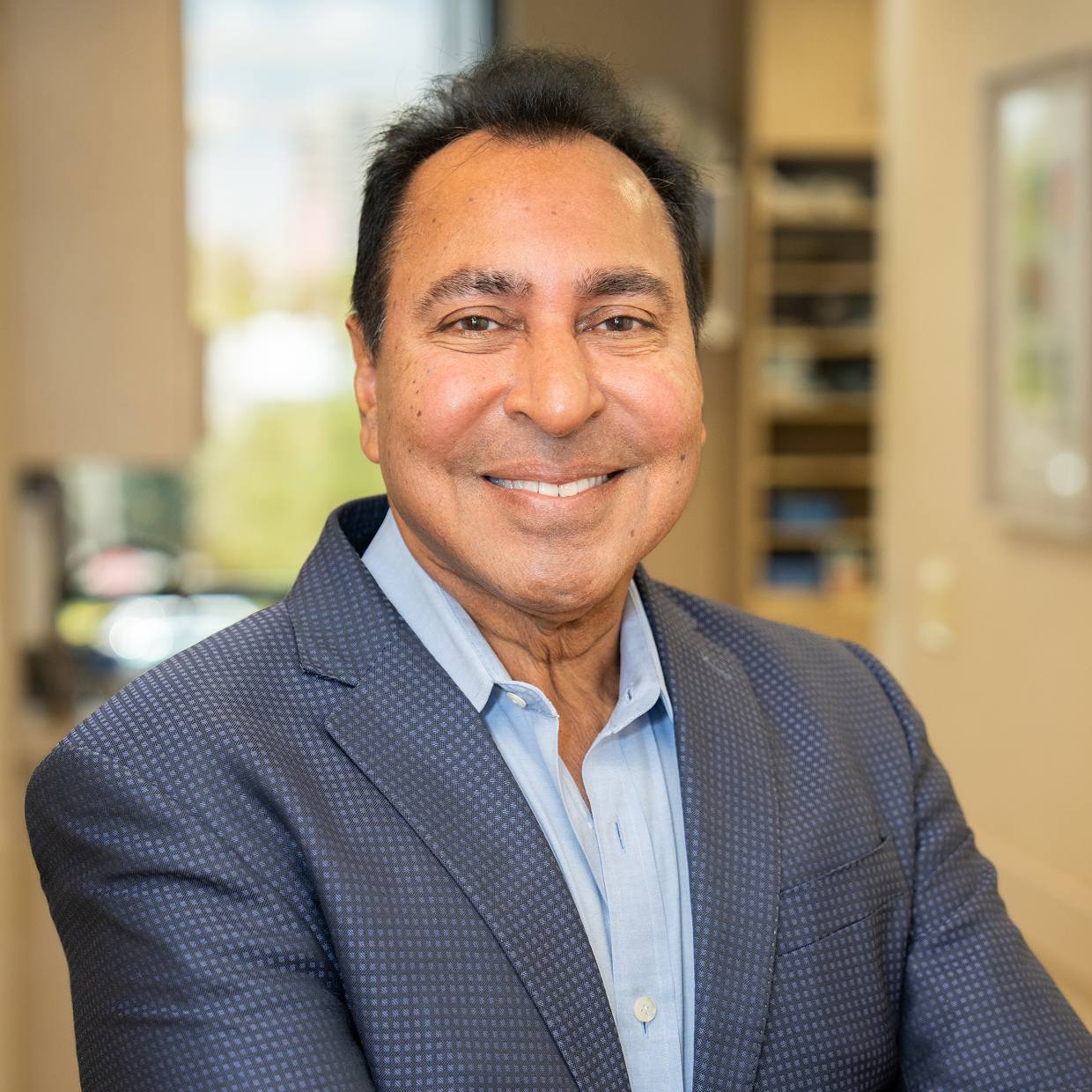
If you are exploring sedation options, Center for Dental Implants in Hallandale offers a range of sedation solutions designed to prioritize patient comfort and safety. Led by Dr. Arun Garg, the practice emphasizes individualized treatment planning and a supportive, calm environment.
To learn more or schedule a consultation, contact Center for Dental Implants and discover whether sleep dentistry may help you receive care with greater confidence and ease.