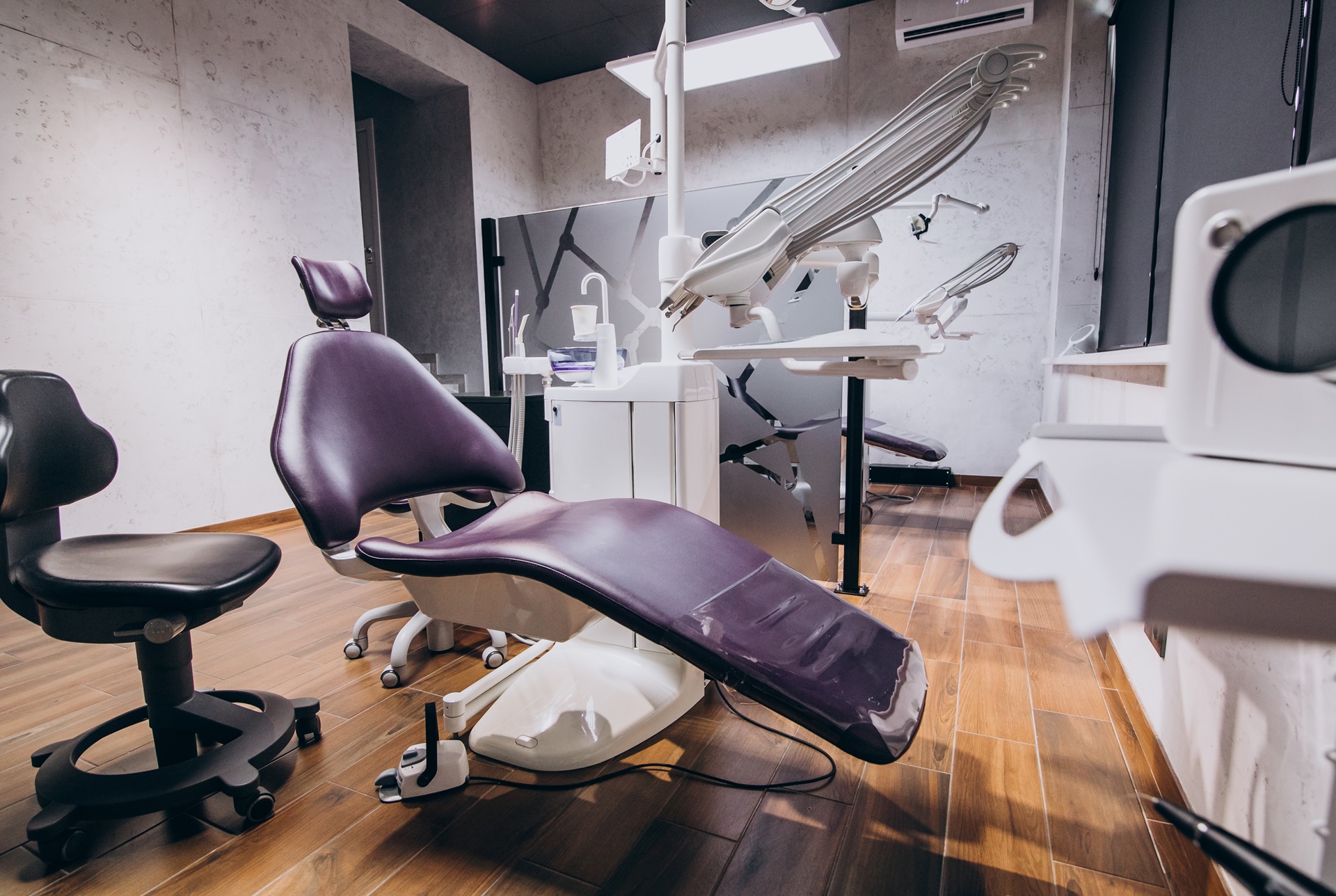
For many people, visiting the dentist can cause stress or anxiety. Whether due to past experiences, fear of discomfort, or sensitivity to sounds and sensations, dental anxiety is more common than many realize. Fortunately, modern techniques such as sleep dentistry in Aventura, FL offer a way to receive necessary treatment in a more relaxed and comfortable state.
If anxiety has delayed or prevented you from scheduling dental care, understanding how sedation options work can help you feel more confident about your next visit.
What Is Sleep Dentistry?
Sleep dentistry — often referred to as sedation dentistry — involves the use of medication to help patients feel calm and relaxed during dental procedures. Despite the name, patients are not always fully asleep. The level of sedation depends on the type used and the individual’s needs.
Common forms of dental sedation include:
- Oral conscious sedation
- IV sedation
- Nitrous oxide (laughing gas)
Each method works differently but shares the same goal: reducing anxiety and increasing comfort during treatment. Sedation is carefully administered and monitored to ensure patient safety throughout the procedure.
Who May Benefit from Sleep Dentistry?
Sleep dentistry is particularly helpful for patients who experience:
- Moderate to severe dental anxiety
- Fear of needles or dental instruments
- Strong gag reflex
- Difficulty sitting still for extended periods
- Sensitivity to dental sounds or sensations
- Need for multiple or lengthy procedures
Some individuals avoid dental visits for years due to anxiety. Sedation dentistry can make it possible to address oral health concerns without overwhelming stress.
Comfort-focused care encourages patients to maintain regular dental visits, which supports long-term oral health.
How Sedation Helps Reduce Anxiety
Sedation works by calming the central nervous system and reducing awareness of the procedure. Depending on the type used, patients may feel deeply relaxed, drowsy, or only lightly aware of their surroundings.
Benefits of sedation include:
- Reduced anxiety
- Increased relaxation
- Minimal memory of the procedure (in some cases)
- Greater comfort during longer treatments
For many patients, sedation transforms the dental experience from something intimidating into something manageable.
Types of Sedation Commonly Used
Nitrous Oxide (Laughing Gas)
Nitrous oxide is a mild sedative inhaled through a mask. It produces a calming effect while allowing the patient to remain awake and responsive.
Benefits include:
- Quick onset
- Adjustable dosage
- Rapid recovery
- Ability to drive home after the appointment
This option is often suitable for mild anxiety.
Oral Conscious Sedation
Oral sedation involves taking prescribed medication before the appointment. The medication produces a deeper level of relaxation while keeping the patient responsive.
Patients may:
- Feel very calm
- Have little memory of the procedure
- Feel drowsy during treatment
Because oral sedation can have lingering effects, patients typically need someone to drive them home.
IV Sedation
IV sedation is administered directly into the bloodstream, allowing for precise control of sedation levels. This option is often used for patients with significant anxiety or those undergoing complex procedures.
Benefits include:
- Deeper level of relaxation
- Continuous monitoring
- Adjustable sedation throughout treatment
Recovery time varies, and transportation home is required.
Safety and Monitoring
Safety is a primary consideration when providing sedation. Before recommending sleep dentistry, a thorough medical review is conducted to ensure the chosen method is appropriate.
During treatment:
- Vital signs are monitored
- Oxygen levels are assessed
- The patient’s comfort is continuously evaluated
Sedation dentistry is widely used and considered safe when administered by trained professionals. Open communication about medical history and current medications is essential to ensure the safest experience possible.
What to Expect During Your Appointment
If sedation is part of your treatment plan, your appointment will include:
- A review of medical history
- Instructions prior to sedation
- Monitoring during the procedure
- Post-treatment recovery guidance
You may be asked to avoid eating or drinking for a certain period before your visit, depending on the sedation type. After treatment, mild grogginess is possible, especially with oral or IV sedation. Planning for rest afterward is typically recommended. Clear pre- and post-operative instructions help ensure a smooth experience.
The Importance of Comfortable Dental Care
Avoiding dental treatment due to anxiety can lead to more serious oral health concerns over time, including:
- Advanced decay
- Gum disease
- Tooth loss
- Infections
Sleep dentistry makes it possible to address these issues before they become more complex. By removing fear from the equation, patients are more likely to maintain consistent care and protect their long-term oral health. Comfort and safety go hand in hand when it comes to effective dental treatment.
Comfortable Dental Care in Aventura, FL
Sleep dentistry in Aventura, FL provides a valuable option for patients who experience anxiety or discomfort during dental visits. From mild relaxation with nitrous oxide to deeper levels of sedation, various approaches can be tailored to individual needs.
If dental anxiety has prevented you from seeking care, Center for Dental Implants in Aventura offers sedation options designed to promote comfort and confidence. Led by Dr. Arun Garg, the practice prioritizes patient safety, clear communication, and a calm treatment environment.
To learn more or schedule a consultation, contact Center for Dental Implants and explore how comfortable dental care can help you maintain a healthy smile without unnecessary stress.